
Published March 29, 2025
5 Ways to Accurately Assess Your Home's Value Before Selling

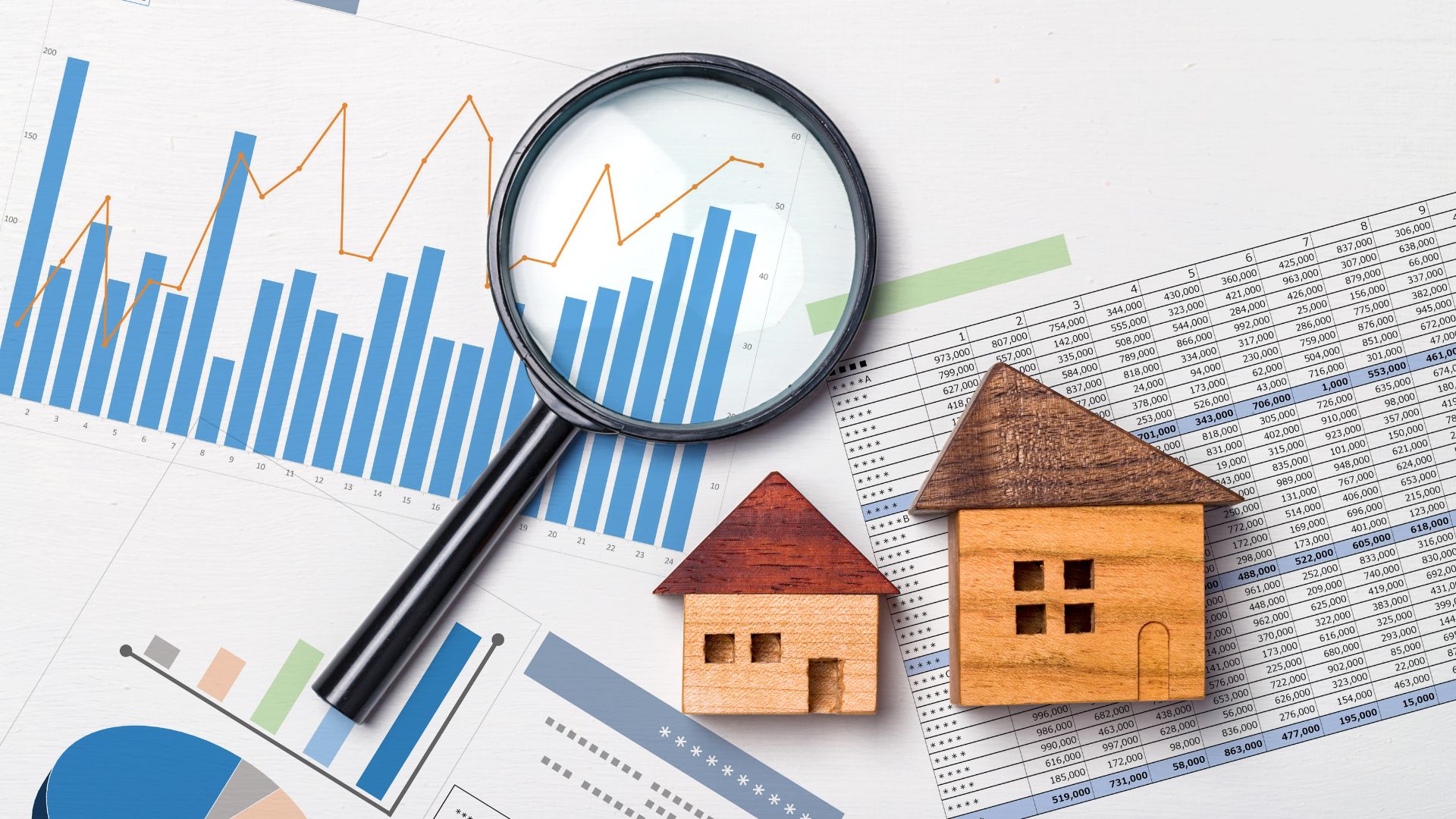
Take the guesswork out of your home’s value with a professional estimate.
Ever wonder how much your home is actually worth? Whether you're thinking about selling, refinancing, or just curious, knowing your home’s true value is essential. But here’s the issue—many homeowners rely on the wrong sources and leave money on the table.
Most people turn to quick online estimates, but those tools can be off by tens of thousands of dollars. If your home is priced too high, buyers may overlook it. Price it too low, and you’re walking away from potential profit. And when refinancing, an inaccurate valuation could mean missing out on thousands in equity. So, how do you ensure you’re working with the right number? Having helped countless homeowners maximize their home’s value, I can tell you this: understanding your home’s worth isn’t just about numbers—it’s about making informed financial decisions. There are three key ways to determine your home’s true value:
1. Comparative market analysis.
This is a professional assessment done by a real estate expert—like me! A CMA compares your home to similar recently sold homes in your area, factoring in size, features, location, and market trends. It’s free and far more accurate than online tools. With the market changing quickly, I like to consider homes that have sold in the last 3 months or that are CURRENTLY pending. “Websites like Zillow and Redfin provide quick estimates, but you shouldn’t rely on them alone.”
2. Professional appraisal.
A licensed appraiser provides an unbiased valuation, often required for refinancing or loans. They assess your home’s condition, upgrades, and market comps. It’s the most precise method but comes at a cost of $600–850 dollars.
3. Online valuation tools and research.
Websites like Zillow and Redfin provide quick estimates, but you shouldn’t rely on them alone. Cross-check multiple sources and look at recently sold homes that closely match yours for a more accurate picture.
4. Use the County or City Assessor’s Value
Tax-assessed values are public and easy to find. They can give you a general idea of your home’s value, but keep in mind—they’re often outdated and tend to be on the low side. Great for quick reference, but not ideal for big decisions.
5. Check Recent Neighborhood Sales
Pull recent sales (within the last 3–6 months) of homes similar in size, layout, and condition. This can give you a decent ballpark range. Just be aware: it doesn’t account for the unique features of your home—or those of the comps.
So, what’s the best option for you?
If you're selling, a Comparative Market Analysis (CMA) is your most accurate tool.
If you’re refinancing, you’ll need a formal appraisal.
If you're just curious, online estimates and public records are a decent starting point—but always double-check with expert insight.
Thinking of selling or refinancing? I offer a free, no-obligation home valuation to help you make smart, confident decisions. And for clients who list with us, we also cover the cost of a professional appraisal before hitting the market. Let’s make sure you’re priced to win—just call or email to get started.

Wes Jones
| Wes Jones & Associates | Keller Williams Realty Bellevue
or another way