
Categories
Home Selling TipsPublished October 14, 2026
Is Staging Your Home Actually Worth It?

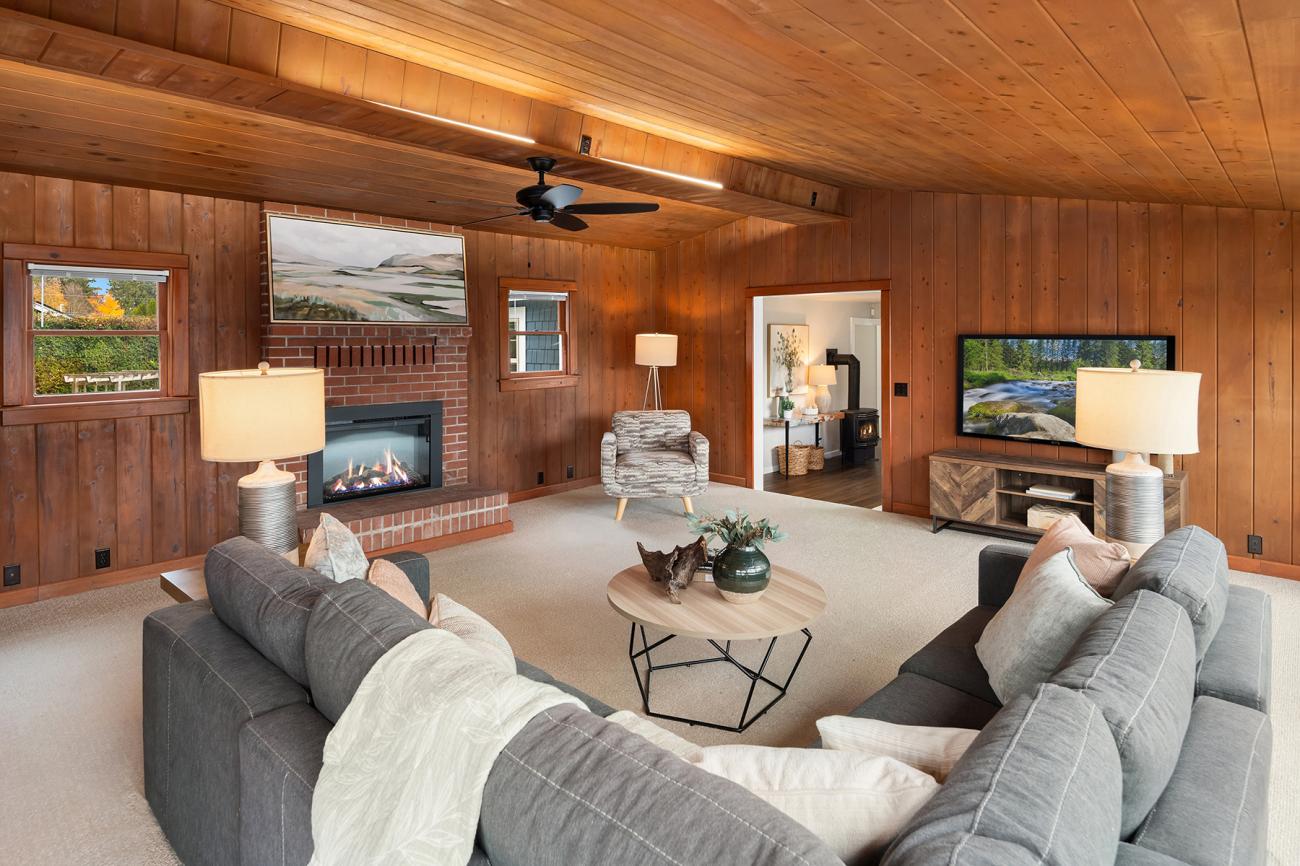
Staging can sell your home faster and for a little more, but only if you do it right. Here's how to spend where it counts and skip the rest.
Somewhere between “you absolutely have to stage” and “staging is a waste of money” sits the real answer, and after years of selling homes here, I’ve landed firmly on one side of it.
If you’re getting ready to sell, you’ve almost certainly been told staging is a must. Before you rent a truckload of furniture or write the whole idea off, it’s worth knowing what staging really does, what it costs, and why I recommend it to nearly everyone I work with.
Start with what staging is actually for. It’s not about making your home look like a magazine. It’s about helping a buyer walk in and picture their own life there. That sounds soft, but it’s the whole game. In the most recent national Realtor survey on staging, 83% of agents working with buyers said it made it easier for their clients to picture a home as their own.
An empty house can feel cold and it’s hard to read, and buyers often misjudge how big a room is when there’s nothing in it. A house still packed with your photos and everyday clutter has the opposite problem, it keeps the focus on your life instead of theirs. Good staging lands in the middle. It shows how a space works without making it about anyone in particular, and it does it both online, where nearly every buyer starts, and in person once they walk through the door.
That pull turns into real numbers when it’s time to sell. In that same survey, about half of sellers’ agents, 49%, said staging cut down how long their listings sat on the market. And close to a third said it pushed the offer higher, somewhere in the range of 1% to 10% above a comparable home that wasn’t staged. This is why I tell people staging is one of the few bonafide things we can do, statistically, to sell a home faster and for more money. Very little else in this business moves both of those numbers at once.
Those aren’t guarantees, and they won’t hold for every house. But the logic holds up, and it’s why I put my own advice into practice. I recently sold one of my properties after just being on the market for only 10 days. I had it fully staged, every single room, because I saw the value firsthand. See the lovely home here. A home that shows well tends to sell quicker, which means fewer months of carrying costs and less chance of the low offers buyers aim at listings that have gone stale.
"Staging isn't about spending the most. It's about spending where a buyer's eyes actually land."
Yes, staging is an investment. In our market it runs anywhere from about $2,500 to $7,500 depending on the scope of the job, and in the rare cases where a home is still being lived in, we have stagers who will work around that too. But here’s the line I come back to with every client: staging is always less than the first price drop. Think about that. The moment a listing sits too long and you’re forced to cut the price, that reduction almost always dwarfs what staging would have cost in the first place. Spending a little up front to put your best foot forward immediately is far cheaper than discounting later, and it gives you a better chance of selling for what the home is actually worth.
Here’s the part that keeps it reasonable, though: you usually don’t need to stage the whole house to get the benefit. Buyers form their strongest impressions in just a few rooms, mainly the living room, the primary bedroom, and the kitchen. Get those looking clean, open, and inviting, and you’ve handled most of what matters. The goal was never to spend the most. It’s to spend where a buyer’s eyes actually land.
So how do you know what your home needs? Look honestly at what you’ve got. A vacant home almost always shows better with at least some staging, because empty rooms are the hardest to picture and the easiest to misjudge on size. A home that’s still full of daily life usually needs the opposite, less stuff, cleaner surfaces, more room to breathe. And a home that’s already updated, clean, and well laid out might need very little. The mistake is treating staging as all-or-nothing. The smarter move is matching what you do to what your home genuinely needs.
The bottom line: staging is worth it, and in my experience it’s worth it far more often than not. Done with intention, on the right rooms, it helps you sell faster, protects you from that first painful price drop, and keeps more money in your pocket. Put your best foot forward immediately, and the home does the rest.
If you’re not sure what your home needs, don’t guess at it. Getting a straight read from someone who watches how buyers react to homes every week is worth more than any checklist, and it costs you nothing to ask. Call or text me at (425) 577-9814, email me at wes@sellwithwes.com, or visit www.sellwithwes.com, and I'll tell you exactly what your home needs before you spend a dime on it.

Wes Jones
| Wes Jones & Associates | Keller Williams Realty Bellevue
or another way