
Published September 20, 2024
The Federal Reserve just cut rates by 0.50%, dropping the Prime Rate from 8.50% to 8.00%

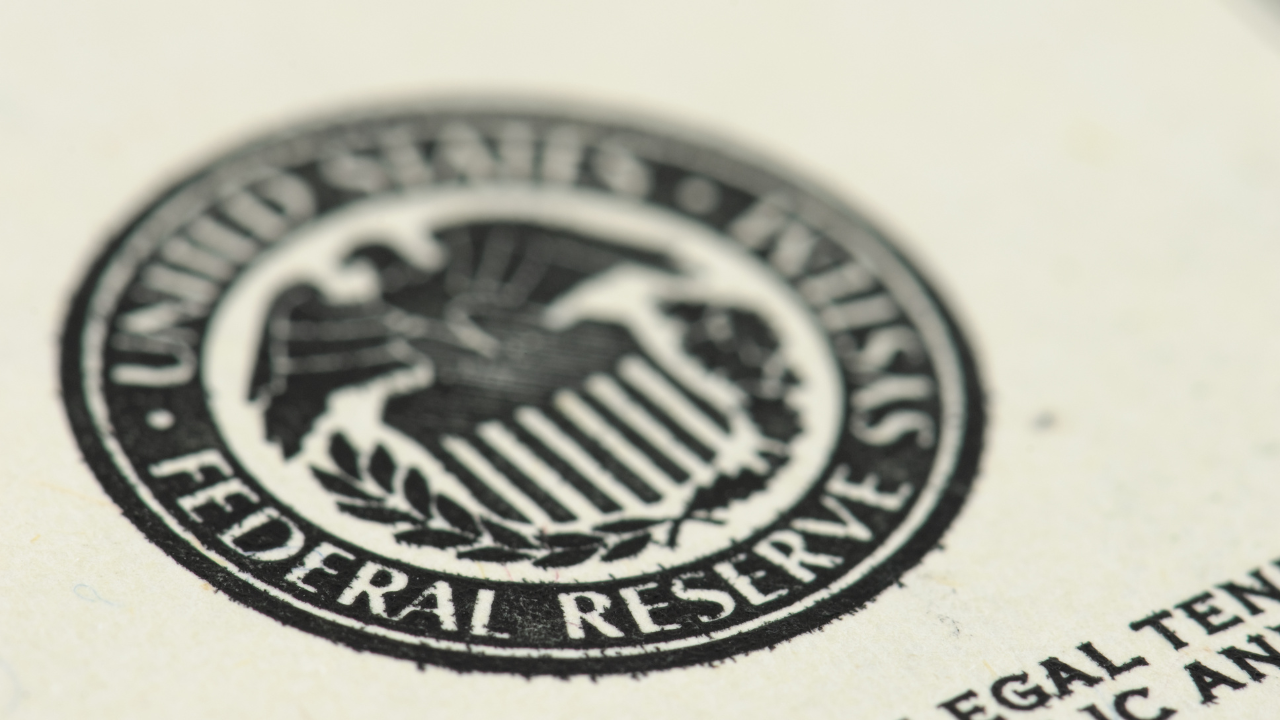

Understanding the Federal Reserve's Rate Cut
What is the Federal Reserve, and why does it matter?
The Federal Reserve, often referred to simply as "the Fed," is the central banking system of the United States. Established in 1913, its primary function is to regulate the nation's monetary policy, ensuring stability and promoting a healthy economy. The Fed influences everything from inflation to employment rates, making its decisions pivotal to the broader economy. When the Fed acts, it sends ripples across financial markets, impacting everything from the cost of borrowing to the value of savings. Essentially, the Fed’s role is to keep the economy running smoothly by fine-tuning interest rates and controlling the money supply.
The 0.50% rate cut explained: What does it really mean?
When the Federal Reserve cuts its benchmark interest rate by 0.50%, it’s a signal that they are trying to make borrowing cheaper. This particular cut brings the Prime Rate down from 8.50% to 8.00%, and while a half-percent may seem small, it can make a big difference in how businesses and individuals manage their finances. Lower rates mean more affordable loans, which can encourage consumers to spend and businesses to invest. This rate cut is the Fed's way of saying they want to stimulate the economy by making it easier to access credit.
Prime Rate vs. Fed Rate: Breaking down the difference
It’s easy to confuse the Prime Rate with the Fed Rate, but they’re not the same. The Federal Funds Rate is the rate at which banks lend to each other overnight, and it’s set by the Federal Reserve. The Prime Rate, on the other hand, is what banks charge their most creditworthy customers, and it’s directly influenced by changes in the Fed Rate. When the Fed cuts rates, the Prime Rate usually follows suit, as we've seen with this drop from 8.50% to 8.00%. In short, the Fed Rate dictates bank-to-bank loans, while the Prime Rate affects you directly as a borrower.
Why Did the Federal Reserve Cut Rates?
A look at the economic factors behind the decision
This rate cut wasn’t made in a vacuum. Several economic factors, both global and domestic, played a role. From slowing economic growth to uncertainty in global markets, the Fed often cuts rates when it sees signs of an economic slowdown. Additionally, economic indicators such as employment data, consumer spending patterns, and international trade dynamics all pointed to the need for a boost. The goal? To give the economy a shot of adrenaline by lowering borrowing costs, encouraging spending, and avoiding a deeper slump.
Inflation control: How lower rates impact prices
Inflation, the rate at which prices for goods and services increase, is always on the Fed’s radar. By cutting rates, the Fed hopes to keep inflation in check without stifling growth. Lower interest rates encourage more borrowing and spending, which can help sustain demand and prevent prices from dropping too fast. However, there’s a delicate balance to strike. If rates remain too low for too long, inflation could surge as too much money floods the economy. This cut shows the Fed’s attempt to thread the needle between stimulating the economy and maintaining stable prices.
Stimulating growth: Encouraging borrowing and investment
When the Fed lowers rates, borrowing becomes more attractive for businesses and individuals alike. With cheaper access to capital, businesses may take on new projects, expand their operations, or hire more employees. Similarly, consumers are more likely to take out loans for homes, cars, or other big-ticket items. The idea is that increased borrowing leads to more economic activity, sparking growth. This rate cut is designed to encourage exactly that—stimulating investment in an economy that may otherwise slow down.
How the Rate Cut Affects You
What it means for mortgage rates and homebuyers
For homebuyers, the rate cut could be a silver lining. Mortgage rates tend to follow the Prime Rate, so with the Fed’s move, you may see lower mortgage interest rates in the near future. This can translate into more affordable monthly payments and even open the door for refinancing opportunities. For those looking to enter the housing market, now might be an opportune time to lock in a loan with a favorable rate. Even a small drop in interest rates can result in significant savings over the life of a mortgage.
Credit card interest: Are you paying less or more?
Credit card interest rates are directly linked to the Prime Rate, so this cut could offer some relief to cardholders. With the Prime Rate dropping to 8.00%, you may notice lower interest charges on your outstanding balances. While the change may not be immediate, it can still provide some breathing room for those struggling with high-interest debt. However, keep in mind that not all credit cards will adjust at the same rate, so it’s worth checking with your provider to see how this change affects your specific account.
Savings accounts and CDs: What’s happening to your interest?
While borrowers may rejoice, savers might feel the pinch. When the Fed cuts rates, banks tend to lower the interest they pay on savings accounts and certificates of deposit (CDs). This means you’ll likely see lower returns on your savings. While this might not seem significant in the short term, over time, it can erode the value of your savings, especially when inflation is factored in. It’s a good reminder to explore other investment avenues if you're looking for better growth potential.
Business Impact: From Loans to Expansion
How small businesses benefit (or don’t) from the rate cut
Small businesses are one of the biggest beneficiaries of lower interest rates. With cheaper access to loans, small business owners can fund new ventures, invest in equipment, or expand their workforce. However, not all small businesses will benefit equally. Those reliant on savings interest or tied to fixed costs that don’t change with interest rates may not feel much of an advantage. Still, for many entrepreneurs, this cut represents an opportunity to grow their operations without the burden of high borrowing costs.
Corporate borrowing: Cheaper capital, bigger opportunities
For larger corporations, the rate cut opens the door to cheap capital. Companies can borrow at lower rates to fund major projects, expand into new markets, or invest in research and development. The reduced cost of borrowing also gives businesses the flexibility to take more calculated risks, which can lead to innovation and growth. This environment can foster mergers and acquisitions as well, with businesses leveraging the low-interest landscape to grow through strategic partnerships.
Industry-specific impacts: Real estate, auto, and retail sectors
Some industries will feel the effects of the rate cut more than others. The real estate sector, for example, could see a surge in activity as lower mortgage rates attract more buyers. The auto industry might also benefit, as lower interest rates make financing a new car more appealing. Retailers may see an uptick in consumer spending, particularly for big-ticket items that often require financing. In contrast, industries tied to savings and fixed-income investments may face challenges as their returns diminish.
What’s Next? Predictions for Future Rate Changes
Could we see further cuts? What experts are saying
As always, the future is uncertain, but many experts believe this might not be the last rate cut. The Fed often signals its intentions through its actions, and some analysts suggest more cuts could be on the horizon if economic conditions continue to soften. Whether it's due to geopolitical tensions, trade issues, or domestic economic concerns, the Fed remains ready to adjust its policies to keep the economy afloat.
How this rate cut fits into the larger economic outlook
This rate cut is just one piece of a much larger puzzle. In a global economy that is increasingly interconnected, the Fed’s actions are part of a broader strategy to maintain stability. The cut reflects concerns about slowing growth and aims to stave off a potential recession. The move is also a response to global market forces, with central banks around the world adjusting their policies in light of similar economic pressures.
Preparing for the unexpected: How to stay ahead of future changes
While no one can predict the future with certainty, it’s always wise to prepare for the unexpected. Whether you’re a borrower or a saver, keeping an eye on interest rates and understanding how they affect your finances is crucial. Diversifying your investments, keeping debt under control, and staying informed about economic trends can help you navigate any future rate changes with confidence. The key is flexibility—being ready to adjust as the economic winds shift.

Wes Jones
| Wes Jones & Associates | Keller Williams Realty Bellevue
or another way